Essay · Software
Your laptop is a supercomputer. So why does everything feel slow?
A field guide to software bloat: where the cycles go, who pays for them, and four habits that win them back.

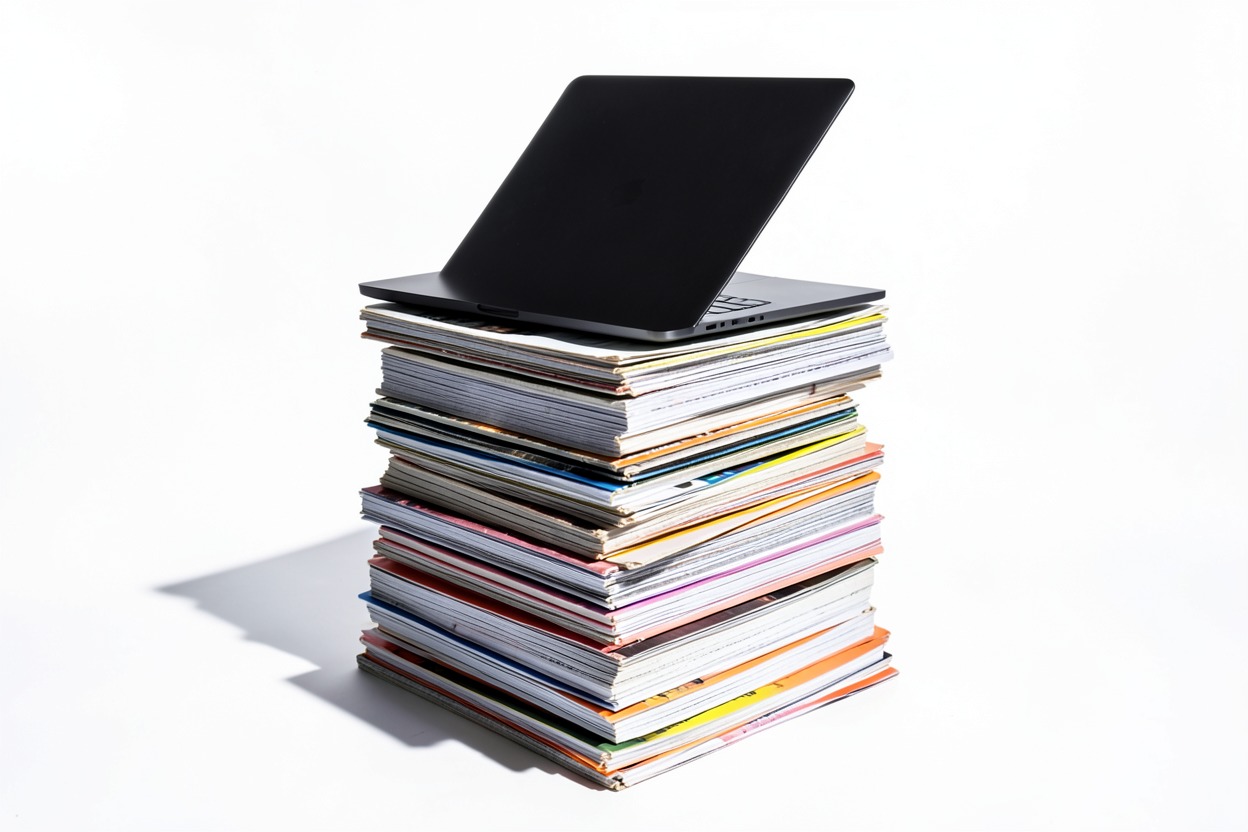
The laptop I am writing this on would have been one of the fastest computers on the planet when I was born. It is also, on a bad Monday morning, slower to open a text note than the beige tower my parents bought in 1997. Both of these things are true, and the gap between them is where this essay lives.
This is not a nostalgia piece. Old software crashed, lost your work and could not render half the world's alphabets. But somewhere between then and now we started spending the extra speed on ourselves, the people who build software, instead of on the people who use it. I think it is worth knowing where it goes.
Where the cycles go
Open the activity monitor on any modern machine and sort by memory. The top of the list is rarely the thing you are working on. It is a chat app, a browser tab that has been open since Tuesday, three updaters and a helper process whose name you do not recognise.
Each of these is reasonable on its own. A chat app built on a web engine ships once for every platform. An updater keeps you safe. A helper process makes sync feel instant. Add them together and a quarter of your computer is busy before you have typed a word.
The layers nobody owns
The usual story blames lazy programmers. I spent eleven years as one of them, and I do not think that is it. The problem is that a modern app is a stack of layers, and every layer is owned by a different team that is measured on something other than speed.
The framework team is measured on features. The design system team on consistency. The analytics team on coverage. Each adds a few milliseconds, each of those milliseconds passes review, and nobody's job is the total. Here is roughly how I measure the total for any app I review:
# open and quit the app ten times, print the wall time of each runfor i in $(seq 1 10); do/usr/bin/time -f "%e s" ./notes-app --quit-after-launchdone
It is crude, but it is honest. If a notes app takes longer to start than it takes you to remember what you wanted to write down, it has failed at its one job.
Software does not get slow by accident. It gets slow one reasonable decision at a time, and nobody is in charge of the sum.
Who pays
The cost of bloat is not spread evenly. If you buy a new laptop every three years, you barely notice. If you are a student on a hand-me-down machine, a nurse on a hospital terminal, or anyone on a slow connection, you pay for every unnecessary layer with your time and your battery.
There is also a quieter cost. Every machine retired early because the software outgrew it is a machine someone mined, shipped and will eventually have to recycle.
Four habits that win them back
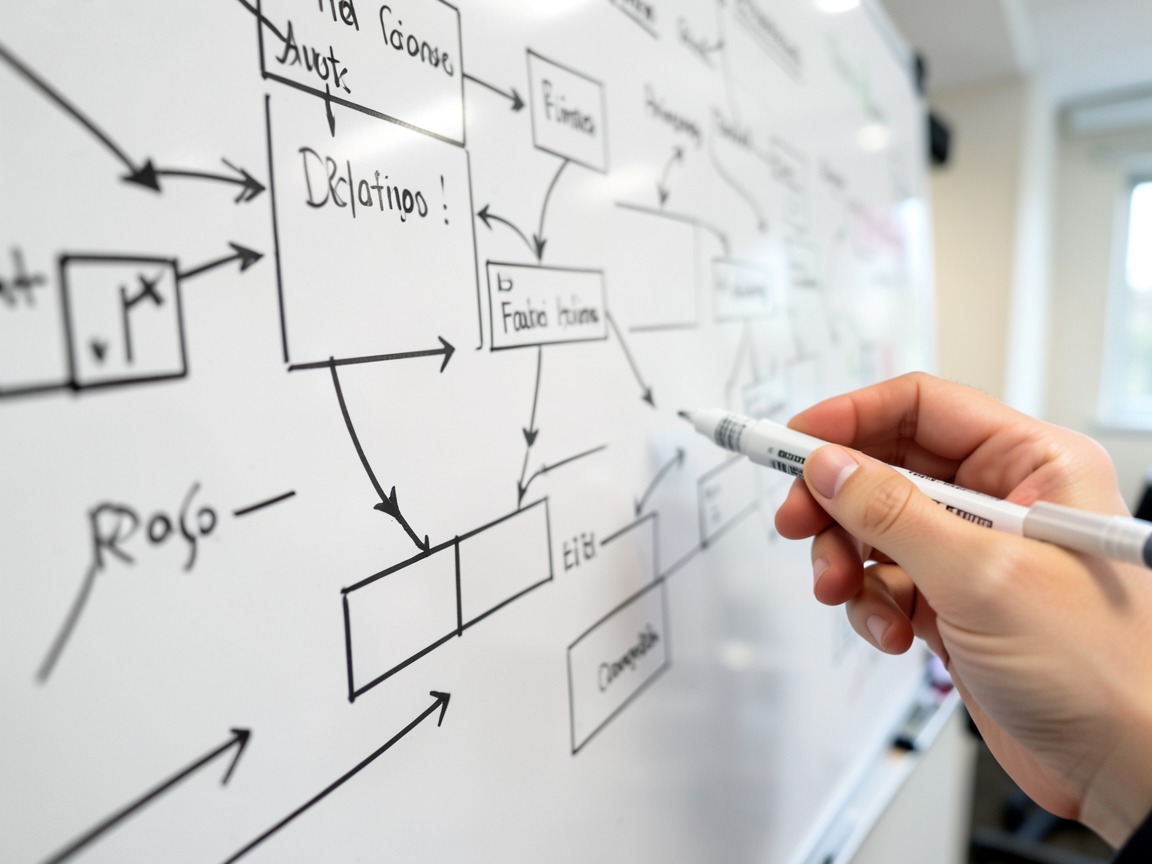
You cannot rewrite the apps you use, but you can choose and run them differently. These are the four habits that made the biggest difference on my own machines:
- Prefer the native app, or the browser tab, over the desktop wrapper around a website. Running one web engine is cheaper than running five.
- Audit what starts with your computer once a season. Most login items are there because an installer asked politely.
- Pick tools that store plain files. A folder of text files opens instantly in any program, today and in twenty years.
- Reward fast software. Pay for it, recommend it, and tell its makers that speed is why you stayed.
A slower, faster computer
Last spring I wiped my laptop, installed only what I could name a reason for, and lived with that for a month. It felt like a new machine. Nothing about the hardware had changed. What changed was that, for once, the extra speed was spent on me.
The fastest computer you own is the one that is doing the least. That is not a rule about technology. It is a rule about attention, and it works on people too.
Jonas Ekberg
Writes Plain Text from Gothenburg. Former payments engineer, current owner of too many keyboards. Tips and corrections: jonas@plaintext.blog.